Pastoral Retirement Planning: Biblical Principles of Wealth Management
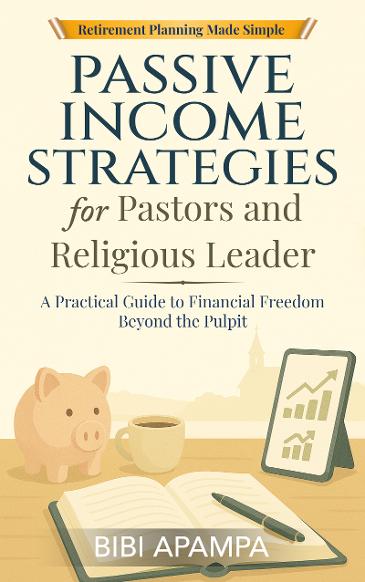
Life Beyond the Pulpit
Retirement Planning for Pastors, Ministers & Religious Leaders


Pastoral Retirement Planning : Biblical Principles of Wealth Management
Introduction: Aligning Pastoral Retirement with Biblical Financial Wisdom
Throughout decades of ministry, pastors devote their lives to shepherding others through both spiritual heights and valleys. Yet when it comes to preparing for their own retirement years, many ministers find themselves navigating unfamiliar terrain with limited resources. The statistics are sobering: according to a recent study by the National Association of Evangelicals, nearly 30% of pastors have less than $10,000 saved for retirement, while more than half express significant concern about their financial readiness for their post-ministry years.
However, Scripture provides timeless wisdom that can guide pastoral retirement planning and wealth management. By applying biblical financial principles to retirement preparation, ministers can develop strategies that honor both prudent stewardship and kingdom priorities.
This guide explores how pastors can integrate biblical principles of wealth management into effective retirement planning strategies. Whether you're early in your ministry journey or approaching retirement within the next decade, these insights will help you align your financial decisions with scriptural wisdom.
The Biblical Foundation for Pastoral Retirement Planning
Stewardship Principles in Clergy Retirement Preparation
The concept of stewardship—managing resources that ultimately belong to God—forms the cornerstone of biblical wealth management. In Matthew 25:14-30, Jesus tells the Parable of the Talents, illustrating that God entrusts us with resources and expects faithful management.
For pastors planning retirement, this principle reminds us that retirement preparation isn't about hoarding wealth, but about wisely managing the resources God has provided. Just as the faithful servants in the parable invested and multiplied what was entrusted to them, ministers should develop and implement strategies to grow their retirement resources.
Pastor Raymond reflects: "For years, I mistakenly thought retirement planning was somehow showing a lack of faith in God's provision. I later realized that good stewardship actually requires thoughtful planning for future needs, just as Joseph stored grain during the seven years of plenty."
Balancing Faith and Planning in Ministerial Retirement Strategies
Scripture teaches both dependence on God's provision and the wisdom of planning ahead. Proverbs 6:6-8 highlights the example of the ant, who "stores its provisions in summer and gathers its food at harvest." This balance between faith and planning creates the framework for biblical retirement preparation.
Jesus himself taught, "Suppose one of you wants to build a tower. Won't you first sit down and estimate the cost to see if you have enough money to complete it?" (Luke 14:28). This principle of counting the cost applies directly to retirement planning for pastors—assessing needs, developing strategies, and taking intentional steps toward financial readiness.
Biblical Wealth Management Strategies for Pastor Retirement
Avoiding Debt: A Biblical Approach to Pastoral Financial Freedom
Scripture consistently cautions against the burden of debt. Proverbs 22:7 warns that "the borrower is slave to the lender." For pastors approaching retirement, eliminating debt becomes a critical priority in retirement planning.
Consider these biblical approaches to debt reduction:
- Prioritize debt repayment according to interest rates, focusing first on high-interest consumer debt
- Develop an accelerated mortgage payoff plan to enter retirement without housing debt
- Avoid taking on new debt in the pre-retirement years
- Consider debt consolidation if it genuinely reduces interest rates and repayment timelines
Pastor Marcus shares: "When I realized I had just eight years until retirement but still carried $32,000 in debt, I committed to a radical debt elimination plan. By cutting expenses and applying biblical principles of contentment, we became debt-free three years later, dramatically changing our retirement outlook."
Generosity as Part of Clergy Retirement and Estate Planning
Throughout Scripture, generosity stands as a hallmark of godly financial management. For retiring pastors, planned giving should remain an integral part of retirement and estate strategies.
2 Corinthians 9:6-7 reminds us, "Whoever sows sparingly will also reap sparingly, and whoever sows generously will also reap generously. Each of you should give what you have decided in your heart to give, not reluctantly or under compulsion, for God loves a cheerful giver."
Consider these approaches for incorporating generosity into pastoral retirement planning:
- Charitable Gift Annuities that provide retirement income while supporting ministry
- Donor-Advised Funds allowing tax-advantaged giving throughout retirement
- Legacy giving through estate planning, designating portions of retirement assets to ministry
- Qualified Charitable Distributions from retirement accounts once RMDs begin
The biblical principle of generosity dovetails beautifully with tax-advantaged giving strategies that can simultaneously support ministry and provide retirement benefits.
Diversification: Biblical Wisdom for Ministerial Retirement Investments
Ecclesiastes 11:2 advises, "Invest in seven ventures, yes, in eight; you do not know what disaster may come upon the land." This ancient wisdom aligns perfectly with modern investment principles of diversification.
For pastors managing retirement investments, diversification might include:
- Asset allocation across different investment categories (stocks, bonds, real estate)
- Various retirement vehicles (403(b), IRAs, Roth accounts)
- Multiple income streams in retirement (pension, investments, part-time ministry)
- Geographic diversification of investments across domestic and international markets
By following this biblical principle, retiring ministers can reduce risk while positioning themselves for long-term financial stability.
Practical Application: Biblical Financial Planning for Retiring Pastors
Contentment and Simplicity in Pastoral Retirement Lifestyle Planning
Paul writes in Philippians 4:11-12, "I have learned to be content whatever the circumstances. I know what it is to be in need, and I know what it is to have plenty." This principle of contentment offers profound guidance for retirement lifestyle planning.
By embracing biblical simplicity, pastors can:
- Reduce pre-retirement expenses to accelerate savings
- Design a retirement lifestyle that requires less income
- Find fulfillment in relationships and ministry rather than material consumption
- Create margin for generosity and unexpected needs
Pastor Sharon notes: "After decades of living modestly on a pastoral salary, my husband and I found we didn't need to dramatically increase our lifestyle in retirement. Our contentment with simple pleasures allowed our modest retirement savings to be completely adequate."
Diligence in Retirement Account Management for Ministers
Proverbs repeatedly praises diligence and warns against laziness. This principle applies directly to retirement planning—regularly reviewing investments, understanding options, and making informed decisions.
For clergy retirement planning, diligence includes:
- Regular reviews of retirement account performance and fees
- Staying informed about changes to retirement account rules
- Adjusting investment allocations as retirement approaches
- Understanding distribution requirements and tax implications
- Maximizing contributions during peak earning years
This diligence honors the biblical call to be faithful with what God has entrusted to us, including our retirement resources.
Overcoming Common Obstacles in Pastoral Retirement Planning
Addressing Late Starts in Ministerial Retirement Preparation
Many pastors delay retirement planning due to low compensation, focus on immediate ministry needs, or assumptions about denominational provisions. The biblical principle from Proverbs 13:16—"Every prudent man acts with knowledge"—encourages us to assess our situation realistically and take appropriate action.
For those with a late start to retirement planning:
- Maximize catch-up contributions available to those over 50
- Consider delaying retirement to extend saving years and increase Social Security benefits
- Develop additional skills that could generate income in semi-retirement
- Evaluate housing options that might reduce retirement living costs
- Consult with a financial advisor familiar with clergy financial situations
Pastor David shares: "At 52, I realized my retirement preparation was minimal. Rather than despair, I worked with a financial advisor to develop a 15-year catch-up plan. By maximizing every opportunity—increased savings, housing adjustments, and developing consulting skills—I turned a concerning situation into a workable plan."
Navigating Housing Transitions in Pastoral Retirement Planning
Many ministers live in parsonages throughout their careers, creating unique housing challenges in retirement. The biblical principle of wisdom from James 1:5 encourages us to "ask God, who gives generously," as we seek guidance for these important decisions.
For pastoral housing transitions:
- Begin planning 5-10 years before retirement if transitioning from church-provided housing
- Consider geographic flexibility to find affordable housing markets
- Explore creative options like co-housing with family or downsizing
- Understand how housing allowance benefits may continue into retirement
- Evaluate whether renting or owning best serves your retirement situation
Biblical Guidance for Retirement Income and Distribution
Preserving Principal: The Wisdom of Joseph in Pastoral Retirement Planning
Genesis 41 recounts how Joseph stored grain during seven abundant years to prepare for seven years of famine. This biblical example illustrates the wisdom of preserving principal while living on income—a strategy directly applicable to retirement distribution planning.
For retirement income planning, consider:
- Sustainable withdrawal rates that preserve principal (typically 3-4% annually)
- Strategic use of guaranteed income sources like Social Security and pensions
- Sequence of withdrawals from different account types to optimize tax efficiency
- Building an emergency fund to avoid withdrawals during market downturns
- Creating a buffer asset that provides income during volatile periods
Inheritance Planning: Biblical Principles for Pastoral Estate Management
Proverbs 13:22 observes that "A good person leaves an inheritance for their children's children." This principle speaks to thoughtful estate planning as part of overall retirement preparation.
For pastors developing estate plans:
- Create or update your will, ensuring it reflects current wishes
- Consider the spiritual implications of inheritance decisions
- Explore trust options that align with your values and intentions
- Discuss legacy planning openly with family members
- Balance family provisions with charitable legacy giving
By thoughtfully addressing estate planning, pastors can ensure their lifetime of stewardship continues through intentional legacy planning.
Seeking Wisdom: Professional Guidance for Pastoral Retirement Planning
Finding Godly Counsel for Ministerial Retirement Strategies
Proverbs 15:22 reminds us, "Plans fail for lack of counsel, but with many advisers they succeed." This biblical principle encourages pastors to seek qualified financial guidance for retirement planning.
Consider seeking advice from:
- Financial advisors familiar with clergy tax situations and denominational benefits
- Retirement specialists at your denominational pension board
- Estate planning attorneys who understand charitable giving strategies
- Tax professionals experienced with ministerial tax returns and housing allowances
- Other retired pastors who have successfully navigated this transition
The National Association of Evangelical's Financial Health initiative (NAE.org/financial-health) offers resources specifically for pastoral financial planning.
Conclusion: Faithful Stewardship in the Retirement Season
Pastoral retirement planning built on biblical wealth management principles represents faithful stewardship of the resources God has provided throughout your ministry journey. By applying these timeless truths—stewardship, planning, diversification, contentment, generosity, and wisdom—you can approach retirement with confidence and peace.
Remember that retirement doesn't end your ministry—it simply transitions it into new expressions. Proper financial preparation creates the freedom to continue serving in ways that align with your calling, gifts, and season of life.
Whether you're decades from retirement or making final preparations, implementing these biblical principles will strengthen your financial foundation and glorify God through faithful resource management.
For personalized guidance on applying biblical financial principles to your specific retirement situation, visit RetirementPlanningForPastors.com. Our resources specifically address the unique challenges facing ministers planning for retirement.
About the Author
Bibi Apampa, "The Retirement Queen," is a renowned financial advisor specializing in retirement planning for faith leaders and ministers. With over two decades of experience helping pastors transition from active ministry to financially secure retirement, Bibi has become the trusted voice in ministerial financial planning. She holds certifications in financial planning, retirement wealth coaching, and retirement income planning.
Through her work at RetirementPlanningForPastors.com, Bibi has helped hundreds of pastors implement biblical wealth management principles while creating sustainable retirement plans. Her passion lies in ensuring that those who have dedicated their lives to spiritual service can enjoy financial peace in their retirement years.
For personalized retirement planning assistance specifically tailored to the unique needs of pastors and ministers, visit www.RetirementPlanningForPastors.com today.